

Rolex Oyster vs Jubilee Bracelet: Which One Should You Choose?
The bracelet choice on a Rolex changes the entire character of the watch. Here is the honest breakdown of Oyster vs Jubilee, and which references look best on each.
The Decision That Changes Everything
When you buy a Rolex, the bracelet choice is not a minor detail. It changes the watch's character, its wrist presence, its comfort, and, in some cases, its secondary market value. The Oyster and Jubilee are the two most common Rolex bracelets, and the choice between them is one that buyers think about carefully.
This guide covers the practical differences, the aesthetic differences, and which references are typically paired with each. If you are still deciding which Rolex to buy, our first luxury watch buying guide covers the key references and how to think about the decision.
The Oyster Bracelet
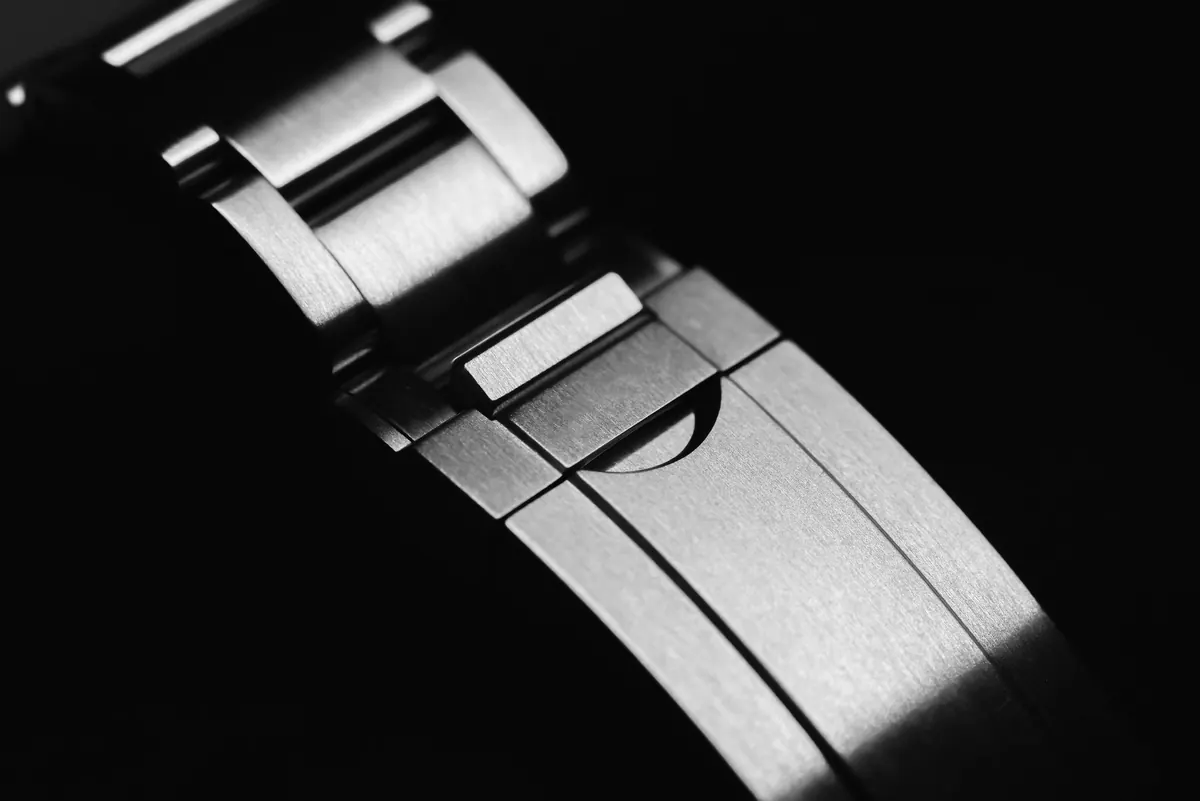
The Oyster bracelet was introduced in 1947 and has been the defining Rolex bracelet ever since. It consists of three-piece links, a flat center link flanked by two rounded outer links, and has a clean, functional aesthetic that works equally well in casual and formal contexts.
Construction. The Oyster is built for durability. The three-piece link construction is robust, and the bracelet's solid end links (on modern references) connect to the case with minimal play. The Oyster clasp, the Oysterclasp on modern references, is secure and easy to operate.
Aesthetic. The Oyster reads as sporty and utilitarian. It suits the Submariner, GMT-Master, and Explorer perfectly, watches designed for active use where a clean, robust bracelet makes sense. On the Datejust, the Oyster gives the watch a more casual, less dressy character.
Wrist feel. The Oyster sits slightly higher on the wrist than the Jubilee due to its link construction. Some wearers prefer this; others find the Jubilee's lower profile more comfortable.
Sizing. The Oyster's three-piece links are easier to size than the Jubilee's five-piece links. Removing links is straightforward with the right tools. If you need to know exactly how many links to remove for your wrist, our Rolex bracelet link sizing guide gives you an instant answer by model.
The Jubilee Bracelet
The Jubilee bracelet was introduced in 1945 alongside the Datejust, Rolex's first watch with a date display, and was designed to complement the Datejust's more formal character. It consists of five-piece links, a flat center link flanked by two pairs of smaller outer links, and has a more refined, dressy aesthetic than the Oyster.
Construction. The Jubilee's five-piece link construction is more complex than the Oyster's and produces a bracelet that drapes more naturally on the wrist. Modern Jubilee bracelets use solid links throughout; earlier versions used hollow links that were more prone to stretch.
Aesthetic. The Jubilee reads as more refined and formal than the Oyster. On the Datejust, it is the traditional pairing and gives the watch its classic character. On the GMT-Master II (where Rolex began offering the Jubilee option in 2019), it softens the sports watch aesthetic and has become the preferred choice for many buyers.
Wrist feel. The Jubilee sits closer to the wrist and drapes more naturally due to its five-piece link construction. Many wearers find it more comfortable for all-day wear, particularly on smaller wrists.
Sizing. The five-piece link construction makes the Jubilee slightly more complex to size than the Oyster. The links are smaller and require more precision to remove. Use our bracelet link sizing guide to calculate how many links to remove before you take the watch to a watchmaker.
Which References Come on Which Bracelet
Oyster standard: Submariner, Explorer, Explorer II, Sea-Dweller, Deepsea, Milgauss, Air-King. These sports and tool watches are designed around the Oyster bracelet.
Jubilee standard: Datejust (traditional pairing), Day-Date (on President bracelet, a Jubilee variant). The Datejust on an Oyster is available but the Jubilee is the classic choice.
Both available: GMT-Master II (since 2019), Datejust. The GMT on a Jubilee has become extremely popular, the Batman on Jubilee (ref. 126710BLNR) commands a premium over the same reference on an Oyster.
The Secondary Market Angle
Bracelet choice affects secondary market value on certain references. The GMT-Master II Batman on a Jubilee bracelet consistently trades at a premium over the Oyster version, typically $500-1,500 more depending on condition and market conditions. This reflects genuine buyer preference, not just scarcity.
For the Datejust, the Jubilee is the traditional pairing and is generally preferred by collectors. A Datejust on an Oyster is not wrong, but it is less traditional.
For sports references like the Submariner and Explorer, the Oyster is the correct bracelet and the only option, there is no secondary market premium for a non-standard bracelet on these references.
The Honest Recommendation
If you are buying a GMT-Master II and plan to hold it, the Jubilee bracelet version is worth the premium, both for wearability and for secondary market support. If you are buying a Submariner or Explorer, the Oyster is the right bracelet and the only one that makes sense for the watch's character.
For the Datejust, the choice is personal. The Jubilee is more traditional; the Oyster is more casual. Both are correct.
At UNAGEDLUXURY, we carry Rolex across bracelet configurations and can help you find the specific combination you are looking for.
Further Reading
- Rolex GMT-Master II Complete Guide, The reference where bracelet choice matters most. Batman on Jubilee vs Oyster explained.
- Rolex Submariner Buying Guide, The Submariner is Oyster-only. Here is everything else you need to know before buying one.
- Luxury Watch Condition Grading Explained, Bracelet condition is one of the key grading factors. Here is what to look for.
- Rolex Bracelet Link Sizing Guide, Find out exactly how many links to remove for your wrist size and model.
Referenced in this guide
Value any watchEstimates. Not offers. Retail-equivalent, today.