

How to Authenticate a Vintage Patek Philippe: A Practical Guide
Vintage Patek Philippe watches are among the most counterfeited timepieces in the world. Here is what to check, and what to ask, before you buy.
Why Authentication Matters More Here Than Anywhere
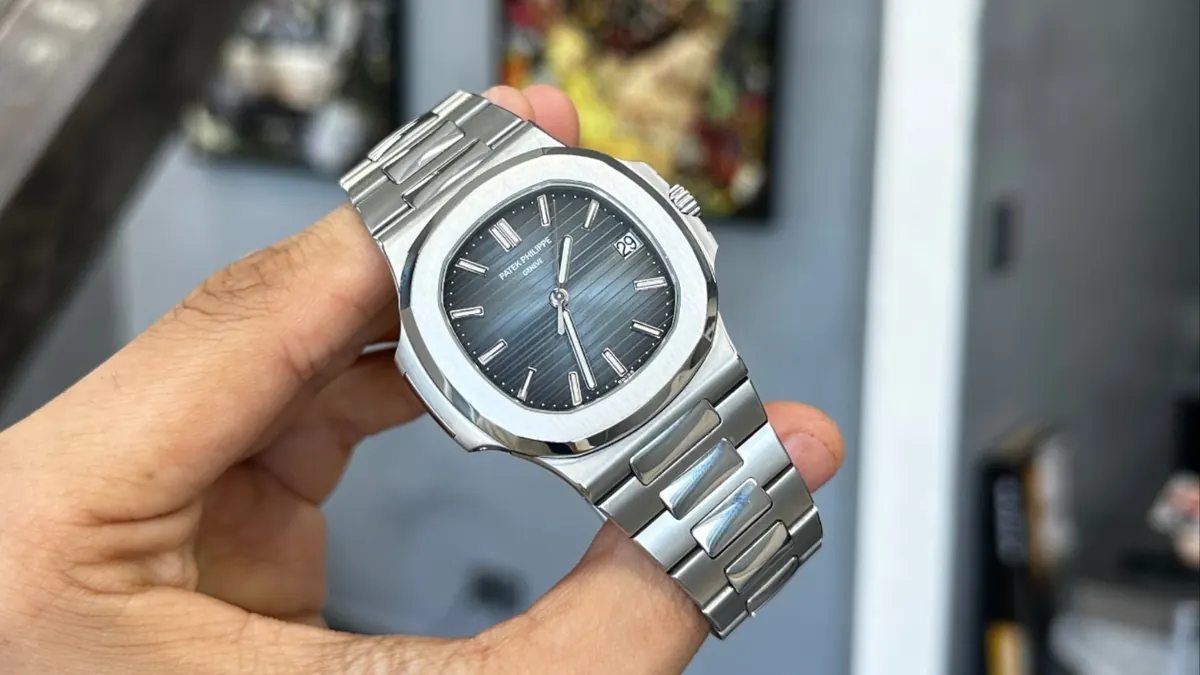
Patek Philippe has been making watches since 1839. That long history, combined with the brand's position at the top of the market, makes vintage Patek one of the most frequently counterfeited categories in watchmaking. The same threat applies to modern references, particularly the Nautilus, which has attracted significant counterfeit attention since the 5711 discontinuation.
The good news: a genuine vintage Patek Philippe has characteristics that are difficult to fake well. The bad news: knowing what to look for requires either significant experience or access to someone who has it.
This guide covers the key authentication points for buyers approaching the vintage Patek market. For the broader counterfeit landscape across all luxury brands, see our super clone threat overview.
Start With the Reference Number
Every Patek Philippe has a reference number that identifies the model, and a case number that identifies the individual watch. These are your starting point.
The reference number is typically engraved on the case band (the middle section of the case, between the lugs). On older pieces, it may be on the movement or inside the case back. Cross-reference what you see against Patek's published reference history, the brand has documented its production extensively, and there are reliable third-party resources that catalog reference specifications.
If the reference number does not match the dial configuration, case shape, or movement caliber for that reference, something is wrong.
The Dial: Where Fakes Usually Fail
The dial is the most scrutinized part of any vintage watch, and it is where authentication work is most revealing.
Printing quality. Patek Philippe's dial printing is exceptionally precise. Text should be sharp, evenly spaced, and consistent in weight. Blurry or uneven printing is a red flag.
Lume plots. On vintage pieces, the luminous material on hour markers and hands will have aged. Genuine aging produces a consistent patina, typically cream to warm brown, that is difficult to replicate convincingly. Plots that look artificially aged, or that are inconsistent in color across the dial, warrant scrutiny.
Dial feet. The dial attaches to the movement via small posts called dial feet. On a genuine Patek, these are precisely positioned for the specific caliber. A replaced or refinished dial may have repositioned or added feet that do not match the movement's dial foot holes.
Refinishing. A refinished dial, one that has been repainted or restored, significantly reduces value and can obscure authentication markers. Look for evidence of original surface texture. Patek's dials have distinctive finishes (guilloché, sunburst, matte) that are hard to replicate exactly.
The Movement: The Heart of Authentication
For serious authentication, the movement must be examined. This requires opening the case back, which should only be done by a qualified watchmaker.
Caliber match. The movement caliber should match what is documented for the reference. Patek's calibers are well-documented; any deviation from the expected caliber for a given reference is a serious concern.
Finishing quality. Patek Philippe movements are finished to a standard that is immediately recognizable to anyone who has seen them. Beveled edges (anglage), polished steel parts, and Geneva Stripes (côtes de Genève) on bridges should be present and executed with precision. Rough finishing or inconsistent decoration is a red flag.
Signed components. The movement should be signed "Patek Philippe & Co." or "Patek, Philippe & Co." depending on the era. Bridges, the balance cock, and the rotor (on automatic movements) should carry appropriate markings.
Serial number. The movement serial number should be consistent with the production date implied by the reference and case number. Patek's serial number records are well-documented.
The Case: What to Look For
Case metal. Verify the metal against the reference specification. Yellow gold, white gold, platinum, and steel cases have different weights and surface characteristics. A case that feels wrong for its stated metal warrants testing.
Hallmarks. Swiss gold cases carry hallmarks indicating metal purity. These should be present and consistent with the stated metal and the era of production.
Case condition. An unpolished case retains its original geometry, sharp lugs, defined edges, and the specific proportions Patek intended. Heavy polishing rounds these edges and can alter the case profile. While polishing does not indicate a fake, it does reduce value and can make authentication harder. For a full breakdown of how polishing affects value, see our condition grading guide.
Case back. Many vintage Patek cases have engraved case backs with the reference and case number. These engravings should be crisp and consistent with period-correct fonts and depths.
Documentation and Provenance
Original papers, the extract from the Patek Philippe archives, or the original guarantee card, add significant value and provide important authentication support. Patek offers an archive extract service that confirms production details for any watch by serial number.
A watch with a documented ownership history (provenance) is easier to authenticate and typically commands a premium.
The Practical Conclusion
Authenticating a vintage Patek Philippe is not a task for a quick visual inspection. It requires examining the movement, cross-referencing reference documentation, and ideally obtaining an archive extract from Patek.
At UNAGEDLUXURY, every vintage piece we carry goes through a thorough authentication process before it is offered for sale. If you are considering a vintage Patek purchase and want a second opinion on a piece you have found elsewhere, we are happy to help.
Further Reading
- Super Clones and Why Verified Dealers Matter, The broader counterfeit threat and why provenance is your best protection.
- Patek Philippe Complications Guide, Annual calendar, perpetual calendar, minute repeater, what each complication means and what it costs pre-owned.
- Patek Philippe Nautilus on the Secondary Market, How to read the Nautilus market and what to check before you buy.